Is Solo Geocaching Actually Safe? What Experienced Cachers Do Differently Alone
Quick Answer: Solo geocaching carries similar general outdoor risks to solo hiking (getting lost, minor injury, weather exposure) rather than risks specific to the activity itself, and experienced solo cachers manage this primarily through sharing their planned route and expected return time with someone, sticking to well-traveled or well-reviewed caches for solo trips, and carrying basic safety supplies — meaning the activity itself isn’t inherently more dangerous alone, but it does require the same solo-outdoor-activity precautions people sometimes skip specifically because geocaching feels like a casual pastime rather than ‘real’ hiking.
Treating it with the same seriousness as solo hiking is the actual safety difference that matters.
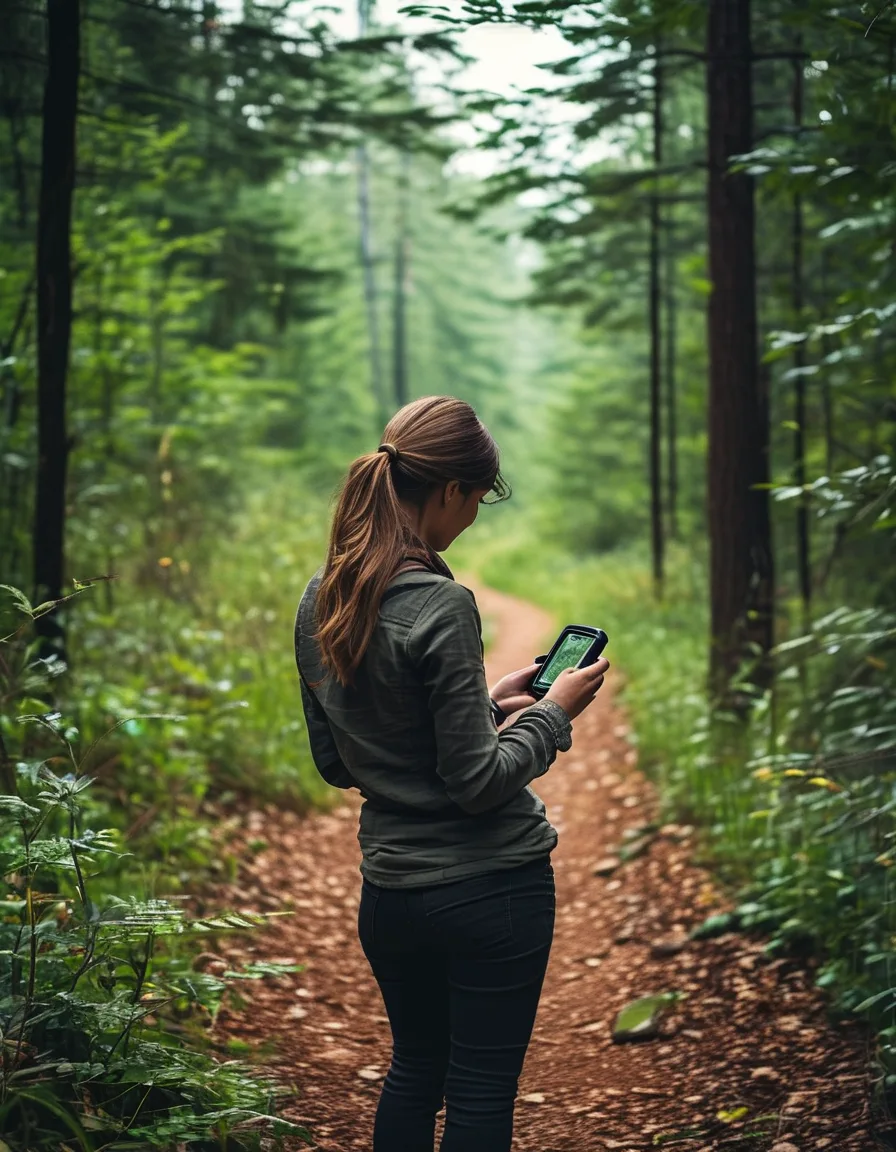
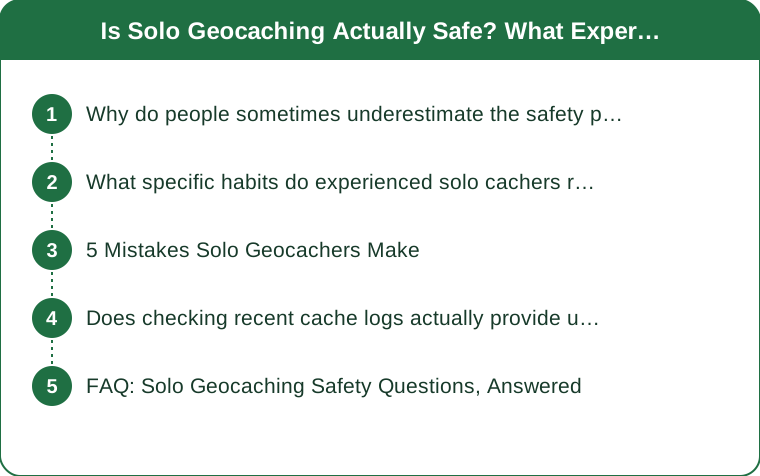
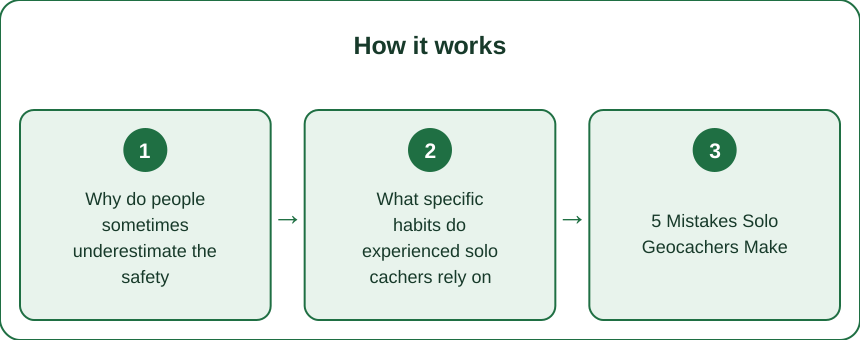
Why do people sometimes underestimate the safety precautions solo geocaching actually needs?
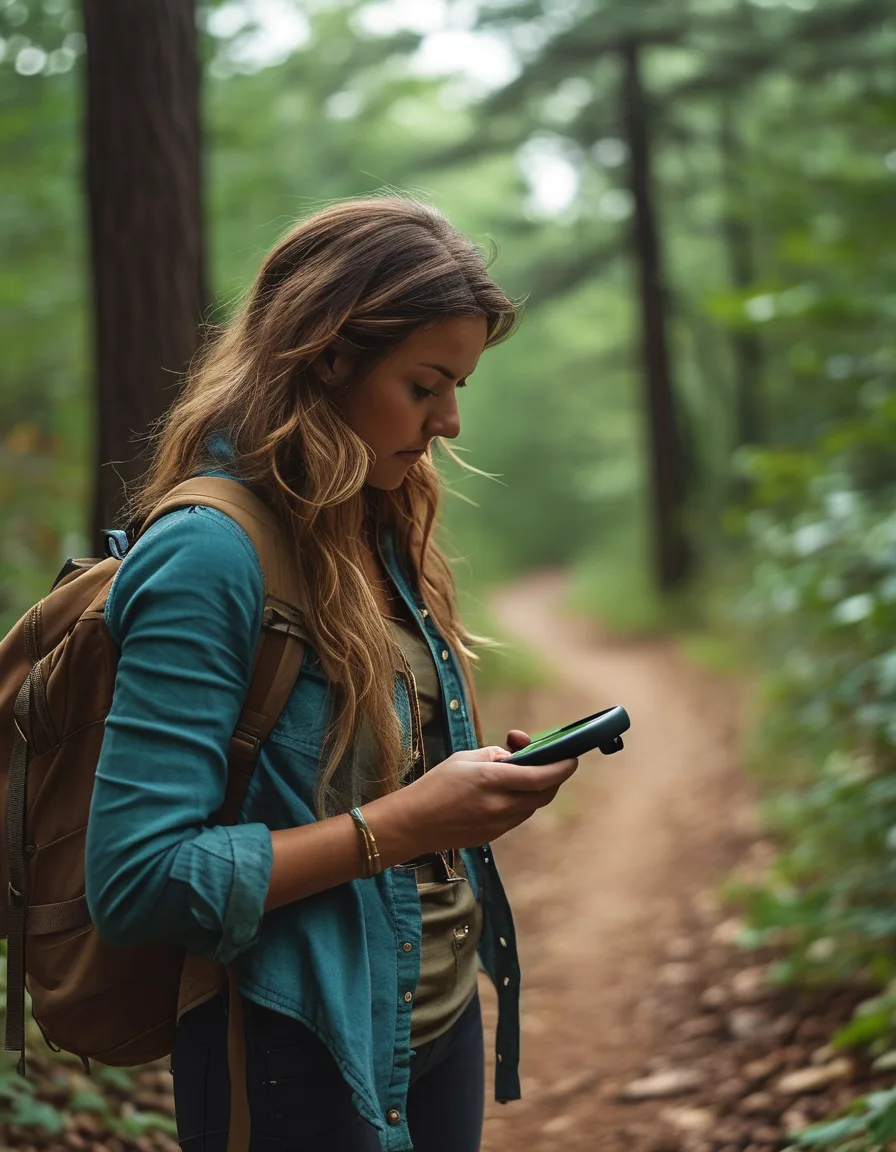
Because geocaching often starts as a casual, gamified activity (finding a small hidden container using a phone app) rather than being framed as backcountry hiking, people sometimes head out solo into genuinely remote or rugged terrain without the same route-sharing and supply precautions they’d automatically take for an equivalent solo hike.
This mismatch between the casual framing and the actual physical terrain some caches are hidden in is the real safety gap experienced cachers point to, rather than anything inherent to the geocaching activity itself being more dangerous than hiking to the same location would be.
What specific habits do experienced solo cachers rely on that casual participants often skip?
Sharing a specific planned route and expected return time with someone before heading out, checking recent cache logs for reports of trail condition or access issues, and carrying basic supplies (water, a charged phone, a paper map backup) even for what looks like a short, easy find are the habits experienced cachers consistently mention as their real solo-safety net.
These are largely the same precautions recommended for solo hiking generally, applied specifically to geocaching because the destination — a specific hidden cache location — can sometimes be in terrain more remote or difficult than the caching app’s simple interface visually suggests.
5 Mistakes Solo Geocachers Make
Mistake 1: Not telling anyone their specific planned route or expected return time.
Mistake 2: Assuming a cache is easy access based on the app difficulty rating alone, without checking recent logs for actual trail conditions.
Mistake 3: Relying entirely on phone GPS with no backup in an area with poor cell signal.
Mistake 4: Underestimating how remote or physically demanding a specific cache location actually is.
Mistake 5: Continuing to search for a difficult cache well past when they should have safely turned back, driven by not wanting to give up.
Does checking recent cache logs actually provide useful safety information, not just difficulty tips?
Yes — recent logs from other cachers often mention specific trail hazards, seasonal access issues (flooding, downed trees, wildlife activity), or that a cache has become considerably harder to reach than its original difficulty rating suggests, which is genuinely useful safety information beyond just finding tips.
Experienced solo cachers specifically check the most recent several logs (rather than just the cache’s original description) before a solo outing, since trail and access conditions can change meaningfully since a cache was originally placed and rated.
FAQ: Solo Geocaching Safety Questions, Answered
Is it safe to geocache solo in an urban area versus a remote trail?
Urban geocaching generally carries lower wilderness-specific risk (getting lost, weather exposure) though it introduces different considerations like general personal safety awareness in an unfamiliar area.
Should a solo geocacher avoid caches rated as more difficult?
Not necessarily avoid entirely, but approaching a higher-difficulty cache solo warrants extra preparation and a clearer turn-back plan compared to attempting the same cache with a companion.
Does carrying a personal safety device (like a satellite communicator) make sense for solo geocaching?
For caches in areas with unreliable cell coverage, many experienced solo outdoor recreationists, including cachers, consider this a worthwhile investment given the genuinely reduced ability to call for help otherwise.
TL;DR:
- Solo geocaching’s real risks are general solo-outdoor risks, not something specific to the activity itself
- Sharing your route and return time, and checking recent logs, are the habits experienced solo cachers rely on
- The casual framing of geocaching sometimes leads people to skip precautions they’d take for an equivalent solo hike
- Recent cache logs often reveal real trail and access conditions beyond the original difficulty rating
Treating a solo caching trip with the same seriousness as a solo hike to the same terrain is the actual safety difference.
Keep Reading
This article is for general informational and styling purposes only. Fit, sizing, and product availability may vary.