What to Do When Your GPS Signal Drops Mid-Geocache Hunt
Quick Answer: GPS signal loss during geocaching is usually caused by dense tree canopy, tall buildings (urban canyon effect), or being near cliffs and canyons that block satellite line-of-sight. Switching to the cache’s compass bearing and pacing out distance from the last known accurate point solves most of these situations without needing to wait out the signal.
Your GPS reading jumps 40 feet, freezes, or just goes blank right as you’re closing in on a cache — a frustrating but common moment that has a reliable workaround once you know the cause.
Why does GPS signal drop specifically in these situations?
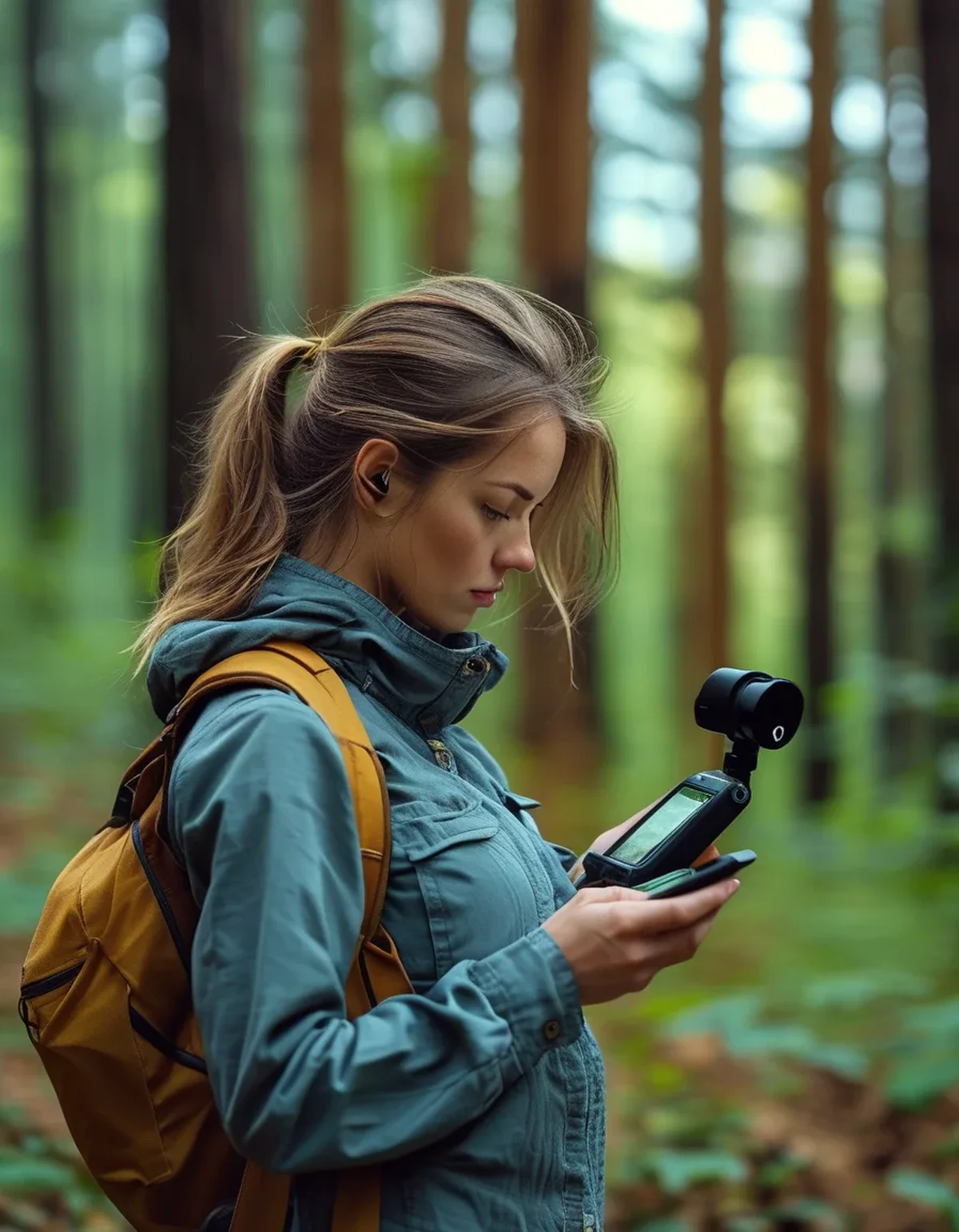
GPS accuracy depends on a clear line of sight to multiple satellites simultaneously. Dense forest canopy, especially wet leaves after rain, absorbs and scatters the signal, while tall buildings in cities cause the same blocking effect known as ‘urban canyon,’ where signals bounce off building faces and create inaccurate readings rather than no reading at all.
Canyon walls, deep ravines, and even standing close to a large rock face can similarly block enough sky view to degrade accuracy, even in otherwise open terrain.
What should you do the moment you notice signal degrading?
Note your device’s last stable, accurate reading and coordinates before it degrades further — that last good fix is more reliable than continuing to follow an increasingly erratic signal deeper into the problem area.
From that last good point, switch to compass bearing and distance pacing: most geocaching apps show a bearing arrow and distance even with degraded GPS, and walking that bearing while counting your own paces is often more accurate than trusting a bouncing signal in poor conditions.
Does device choice make a real difference in poor signal areas?
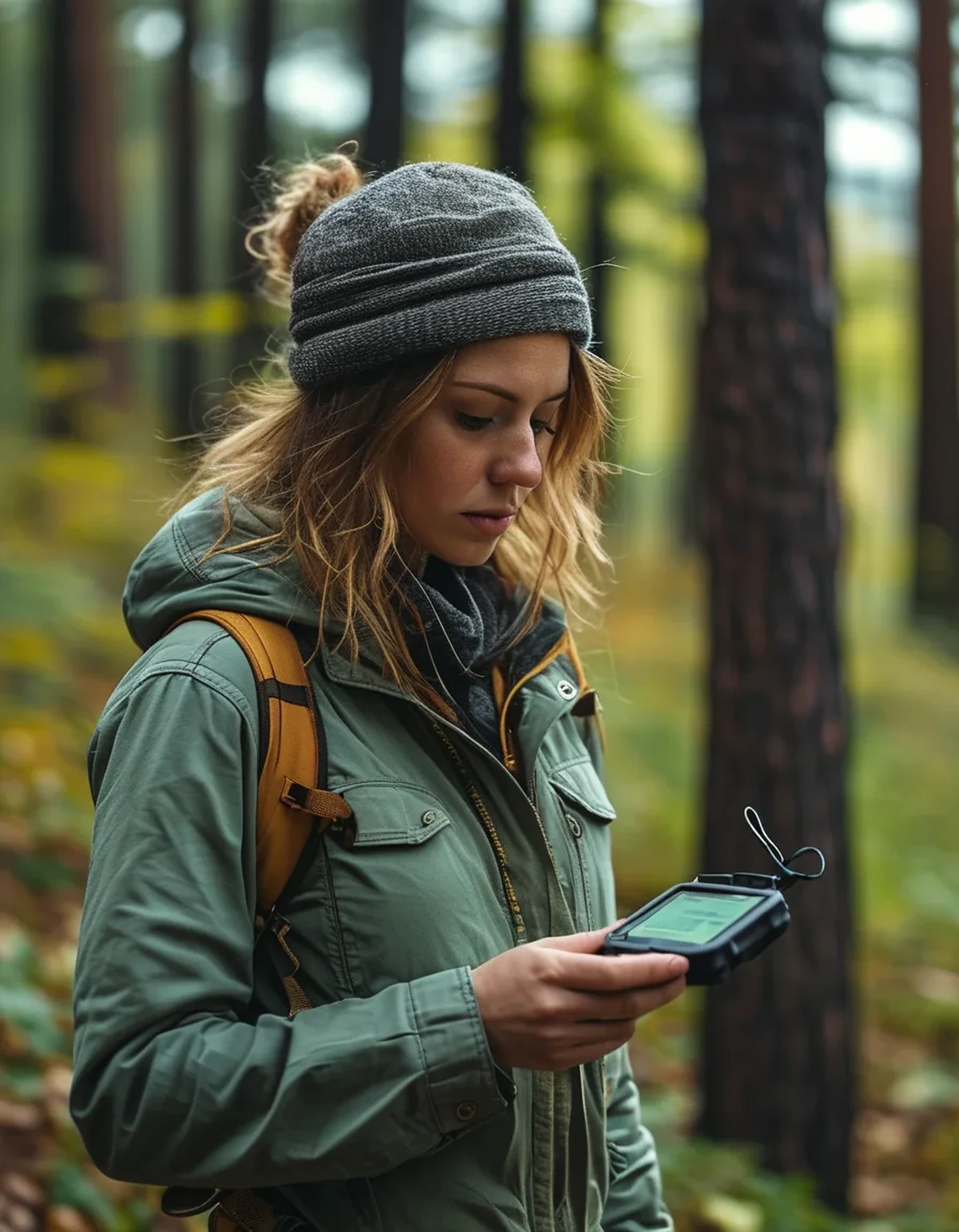
Yes, somewhat — dedicated GPS units generally handle canopy and multi-path interference better than phone GPS, since phones prioritize battery life and speed over raw signal processing power, and phone GPS chips are often simpler than dedicated units.
For casual geocaching this difference rarely matters, but for regular hunting in dense forest or deep urban areas, a dedicated GPS device (or at minimum, a phone with a better GNSS chipset) noticeably reduces these frustrating signal-loss moments.
What other strategies help when GPS just won’t cooperate?
Read the cache’s terrain hints and physical description carefully — a well-written cache listing describes visual landmarks near the hide, which becomes far more useful than GPS in the final 20-30 feet even under good conditions, since consumer GPS accuracy typically maxes out around 10-15 feet anyway.
Waiting 60-90 seconds in a slightly more open spot for the device to reacquire more satellites often resolves temporary drops faster than continuing to move deeper into the interference zone.
FAQ: Geocaching GPS Questions, Answered
How accurate is consumer GPS even under good conditions?
Typically within 10-15 feet under clear sky — which is why the final approach to any cache should rely on hints and visual search, not expecting the GPS to walk you to the exact spot.
Does weather affect GPS accuracy for geocaching?
Heavy cloud cover has a minor effect, but wet foliage after rain has a bigger practical impact, since water absorbs signal more than dry leaves do.
Should you avoid geocaching in known dense-canopy areas?
Not necessarily — many rewarding caches are placed exactly in those challenging spots. Just budget more time and lean more heavily on the written hints than you would in open terrain.
TL;DR:
- Dense canopy, urban canyons, and canyon walls all block the satellite line-of-sight GPS needs
- Note your last accurate reading, then switch to compass bearing and paced distance
- Dedicated GPS units handle interference better than most phones for frequent forest hunting
- Consumer GPS tops out around 10-15 feet accuracy — hints matter more than the device in the final approach
When the signal goes unreliable, trust your last good fix and the cache description over a bouncing arrow.
Keep Reading
This article is for general informational and styling purposes only. Fit, sizing, and product availability may vary.