Geocaching in National Parks: The Rules Most Beginners Don't Know
Quick Answer: Traditional physical geocaches are banned in most US National Parks under the buried-treasure and disturbance regulations, but virtual/EarthCache-style geocaches (no physical container, GPS coordinates plus a task) are generally allowed. Always check the specific park’s regulations page before caching, since rules vary park to park.
This catches a lot of experienced geocachers off guard, because the rule is different from state parks, national forests, and BLM land, where physical caches are often fine with basic guidelines.
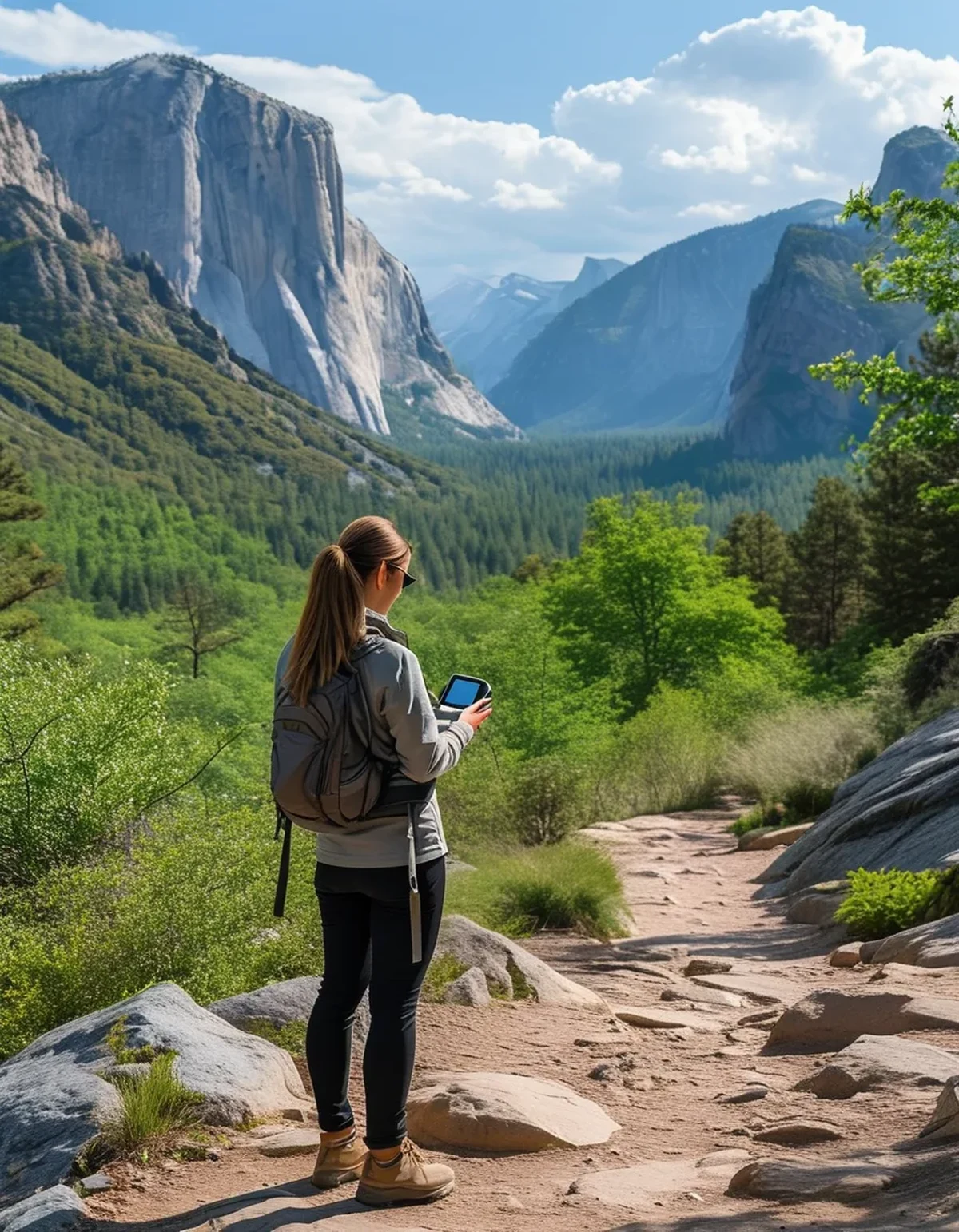
Why are physical geocaches banned in most National Parks?
National Park Service regulations generally prohibit burying, hiding, or leaving property in the park, which a hidden geocache container technically violates regardless of intent. The rule exists to prevent both physical disturbance to sensitive habitats (people going off-trail searching) and the accumulation of “treasure” containers that don’t belong to natural landscapes.
This isn’t a gray area enforced loosely — rangers can and do issue citations for it, and geocaching organizations themselves generally advise against submitting physical caches for placement inside National Park boundaries.
What kinds of geocaching ARE allowed in National Parks?
EarthCaches are the main allowed format — no physical container at all. Instead, you navigate to coordinates and complete an educational task (identifying a rock formation, answering a question based on a plaque or feature) and log your visit online. Many parks actively host official EarthCaches because they support the park’s educational mission rather than conflicting with it.
Some parks also allow virtual caches with similar no-container rules. Always check the specific park’s website or visitor center — a handful of parks have negotiated specific geocaching agreements that differ from the general rule.
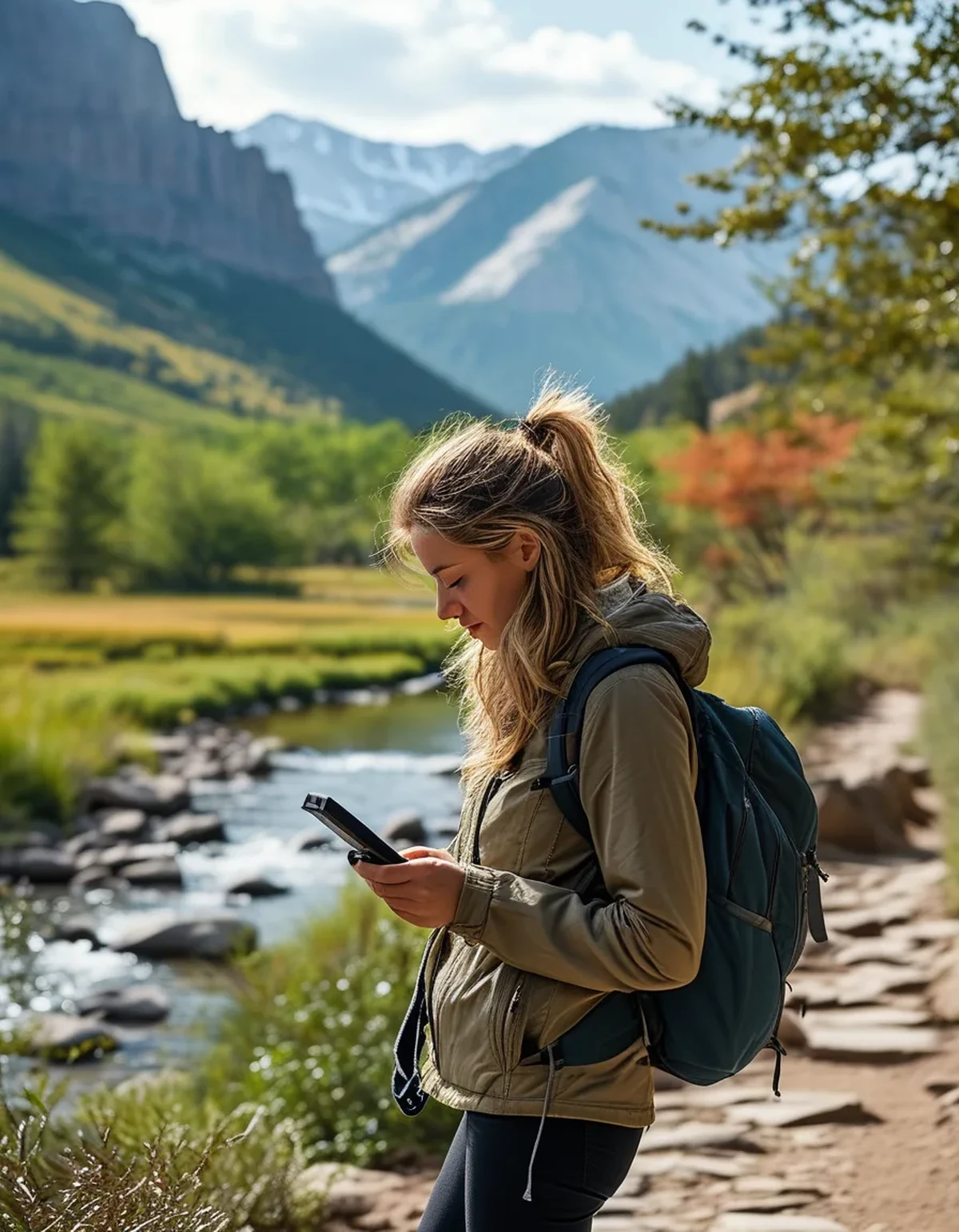
What Nobody Tells You About Geocaching Near Park Boundaries
Here’s the detail that trips people up: park boundaries aren’t always where you think, and GPS accuracy near a boundary can be off by 10-30 feet. A cache placed just outside a National Park boundary on adjacent National Forest or BLM land (where physical caches are typically fine) can still cause a violation if GPS drift or an inaccurate boundary line puts you or the cache technically inside park land.
If you’re caching near any National Park edge, check the exact boundary on an official map rather than trusting your GPS device’s rendering, and give yourself a wider buffer than you think you need.
What should you actually do before caching near a National Park?
- Check the specific park’s geocaching policy page — search “[park name] geocaching policy” before you go, since some parks have unique arrangements
- Look for official EarthCache listings on geocaching platforms filtered to that park — these are pre-approved
- Stay well clear of park boundaries if placing or searching for a cache on adjacent land
- Never go off-trail searching for a cache in any park, National or otherwise — this is both a rule violation and the leading cause of search-and-rescue incidents tied to geocaching
FAQ: Geocaching in National Parks Questions, Answered
Can rangers actually fine you for geocaching in a National Park?
Yes — violations typically fall under general prohibited-activity regulations (removing or leaving property, off-trail disturbance) and can carry real fines, though enforcement varies by park and circumstance.
Are EarthCaches as fun as traditional caches?
Different, not lesser — many geocachers find the educational angle (learning genuine geology or history at the site) a nice change from the find-a-container format, especially in scenic parks.
What about geocaches that existed before a rule change?
Some legacy caches from before stricter enforcement still show up on apps but may no longer be legal to search for — when in doubt, check the park’s current policy rather than assuming an old listing is still valid.
TL;DR:
- Physical geocaches are banned in most US National Parks; EarthCaches (no container) are generally allowed
- Rangers can issue real citations — this isn’t loosely enforced in most parks
- GPS drift near park boundaries can put you in violation even on “legal” adjacent land — check official maps
- Always check the specific park’s current geocaching policy before you go, since rules vary
When a National Park is involved, treat the physical-cache rule as a hard no and look for the EarthCache instead.
Keep Reading
This article is for general informational and styling purposes only. Fit, sizing, and product availability may vary.