Why Your GPS Says You're 'On Top of It' But There's No Cache There
Quick Answer: Consumer GPS is typically accurate to 10-30 feet, not the exact spot — tree cover, canyons, and cheap phone antennas make it worse. When your GPS says ‘0 feet,’ start searching in a 20-30 foot radius, not just underfoot.
You’re standing exactly where the app says the cache is, staring at nothing but dirt. Before you assume it’s missing, remember: the GPS was never that precise to begin with.

Why isn’t consumer GPS more accurate?
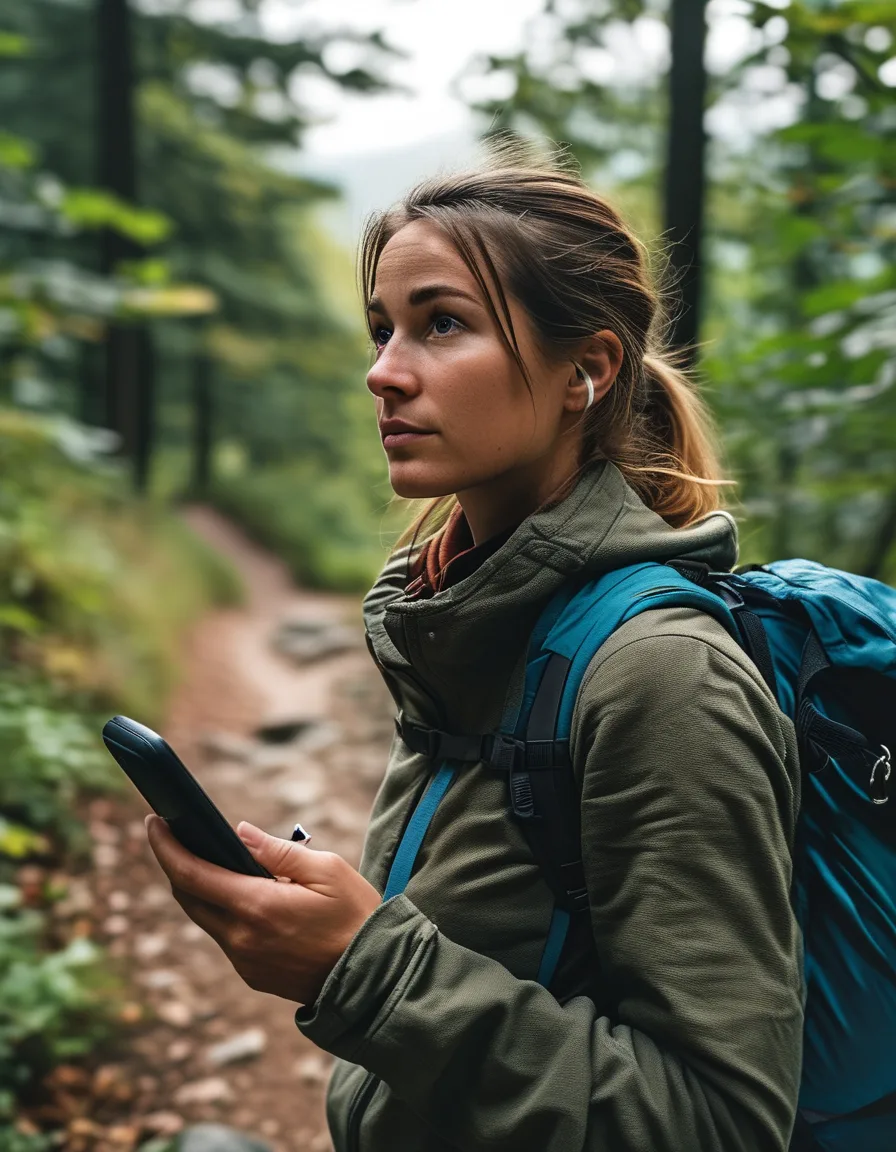
Civilian GPS has a baseline accuracy of about 10-16 feet under open sky — and that’s the best case. It works by triangulating satellite signals, and anything that blocks or bounces those signals (trees, cliffs, buildings) adds error.
Dense forest canopy alone can push error up to 30+ feet, which is why a heavily wooded cache often feels ‘wrong’ even when the coordinates are perfect.
How should you search once you’re ‘at’ the coordinates?
Stand still for 30-60 seconds and let your GPS reading settle — the first reading when you arrive is often the least accurate.
Then search in expanding rings from your spot, not a straight line — most placers hide within a 15-20 foot radius of the listed coordinates, factoring in this exact inaccuracy.
Look for placer logic, not just numbers: geocachers hide near a specific, describable feature (base of the third tree, under a distinctive rock) — the hint often matters more than the arrow.
What Nobody Tells You About ‘Difficult’ Caches
Here’s the twist: a cache with a low difficulty rating in dense woods can be harder to GPS-find than a high-difficulty one in open terrain — because terrain, not placer cleverness, is driving your GPS error.
Experienced cachers learn to read the environment before the arrow: canyon walls, tall buildings, and thick canopy all predict a wider search radius before you even arrive.
FAQ: Geocaching GPS Questions, Answered
Can a better phone improve GPS accuracy?
Somewhat — newer phones with dual-frequency GPS chips can cut error roughly in half, but terrain interference still applies.
Should you trust the app’s compass arrow near the cache?
Less as you get closer — compass arrows get jittery under 15 feet; switch to visual searching and hints instead of chasing the arrow.
Why does GPS accuracy vary between visits to the same cache?
Satellite geometry changes throughout the day, and atmospheric conditions shift slightly — so the same spot can read differently hour to hour.
TL;DR:
- Consumer GPS is accurate to 10-30 feet, worse under tree cover
- Let your reading settle 30-60 seconds before searching
- Search expanding rings, not a straight line, within ~20 feet
- Read the hint and terrain logic, not just the arrow
The cache isn’t missing — your GPS was just never as precise as the display makes it look.
Keep Reading
This article is for general informational and styling purposes only. Fit, sizing, and product availability may vary.